Landscaping Swisscottage: Creating Beautiful, Practical Outdoor Spaces in a Distinctive London Neighborhood
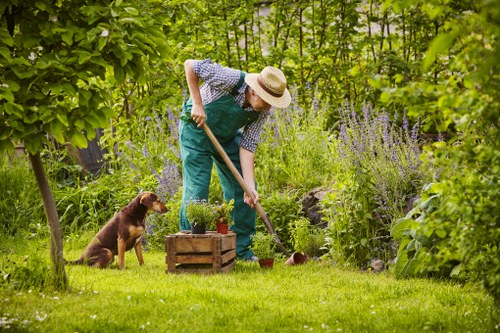 Swisscottage is known for its elegant residential streets, varied architecture, and the kind of urban character that makes outdoor spaces feel especially valuable. In an area where every square meter matters, thoughtful landscaping Swisscottage properties can transform modest front gardens, compact courtyards, and larger private plots into appealing, usable, and visually balanced environments. Whether the goal is to improve curb appeal, create a peaceful retreat, or add structure to a family garden, the right landscape choices can make a striking difference.
Good landscaping in Swisscottage is rarely about adding more for the sake of it. Instead, it is about choosing elements that suit the character of the property, the conditions of the site, and the rhythm of everyday life. A well-designed space should feel natural, practical, and attractive throughout the year. That is why homeowners often look for solutions that combine planting, paving, lighting, drainage, screening, and seasonal interest in a single coherent plan.
In a neighborhood where Victorian terraces, mansion blocks, modern apartments, and detached homes can exist side by side, the best Swisscottage landscaping often respects both tradition and contemporary living. It may involve classic features such as hedging, formal borders, and stone pathways, or it may lean toward a more modern style with clean lines, architectural plants, and low-maintenance surfaces. The key is balance: a landscape that complements the building and enhances the way the space is used.
Why Landscaping Matters in Swisscottage
Outdoor space in London is a luxury, and in Swisscottage it carries both aesthetic and practical value. A thoughtfully designed garden can increase enjoyment of a property, support biodiversity, and make everyday routines more pleasant. For households with children, pets, or frequent visitors, landscaping can improve circulation, create safe boundaries, and define different zones for dining, relaxing, playing, or planting. For busy professionals, it can offer a low-maintenance green space that still feels refined and welcoming.
Landscaping Swisscottage properties also makes sense because the neighborhood benefits from a mix of sunlight patterns, sheltered corners, and mature surrounding greenery. These conditions can support a wide variety of planting schemes, from shady woodland-style borders to sun-loving Mediterranean-inspired arrangements. When a garden is designed with local conditions in mind, it becomes easier to maintain and more rewarding across the seasons.
Another important reason landscaping matters is long-term property presentation. A neat, well-structured exterior gives a home a sense of order and care. This is especially useful in an area where first impressions matter. Even small changes such as improved edging, refreshed planting, or better use of hard surfaces can make a property feel more polished. When combined thoughtfully, these features create a cohesive outdoor environment that looks intentional rather than improvised.
Design Principles for Effective Landscaping Swisscottage
The strongest landscape designs begin with a clear understanding of the space. Every site has its own proportions, levels, light conditions, privacy needs, and access points. In Swisscottage, many gardens are compact, irregular, or visually overlooked, so effective design often depends on maximizing function without making the area feel crowded. A successful plan may use gentle layering, repeated materials, and carefully chosen focal points to create a sense of calm and spaciousness.
One of the most useful principles is consistency. When paving, planting, and boundary treatments share a similar visual language, the garden feels unified. This does not mean everything must match exactly. Rather, it means the elements should work together. For example, pale stone can complement silvery foliage, while dark timber screening can support richer green planting. In landscaping Swisscottage, consistency helps smaller plots feel larger and more composed.
Scale is also essential. Oversized features can overwhelm a small urban garden, while too many tiny details can make the space appear busy. The most effective designs use a few strong ideas rather than many competing ones. Repeated shapes, restrained color palettes, and well-placed plants can create visual rhythm without clutter. This approach suits the elegant, urban character often associated with Swisscottage outdoor spaces.
Planting Ideas That Work Well in Swisscottage
Planting is often the most expressive part of any garden design. It introduces softness, movement, color, and seasonal change. In Swisscottage, planting schemes should ideally offer year-round appeal and suit the amount of light available. Evergreen structure is especially useful because it gives the garden shape even in winter. Box alternatives, yew, laurel, pittosporum, phormium, and compact holly can all provide strong architectural form depending on the style desired.
Flowering perennials can add texture and personality without requiring excessive maintenance. Lavender, salvia, geranium, echinacea, alchemilla, and astrantia are popular choices for layered borders, while ornamental grasses bring movement and a soft, contemporary feel. For a more classic appearance, hydrangeas, roses, foxgloves, and hostas can create a lush and timeless effect. The best planting for landscaping Swisscottage should suit both the visual style of the home and the practical needs of the people using the space.
It is also worth considering wildlife-friendly planting. Pollinator-friendly flowers, berry-producing shrubs, and nectar-rich species can attract bees, butterflies, and birds. Even small gardens can support biodiversity if the planting is varied and seasonally staggered. A layered approach with ground cover, shrubs, and vertical interest gives the space depth while making it more ecologically valuable. This is an increasingly important part of modern Swisscottage landscaping.
Hard Landscaping Elements That Define the Space
Hard landscaping creates the framework of the garden. It includes paths, patios, steps, walls, edging, decking, and other structural features. In Swisscottage, these elements are especially important because they help organize limited outdoor areas and improve usability. A patio can create an outdoor dining area, a path can improve movement through a front or rear garden, and a low wall can double as seating or a planting edge.
Material selection matters greatly. Natural stone often suits properties with traditional features, while porcelain paving offers a clean, low-maintenance finish that works well in contemporary settings. Brick, gravel, timber, and composite materials can also play a role, depending on the desired look and budget. In many cases, the most attractive landscaping Swisscottage projects use a restrained palette of materials so that the garden feels coordinated and calm.
Drainage should not be overlooked. Urban gardens can be vulnerable to pooling water, especially where surfaces are impermeable or the site has limited slope. Permeable paving, well-planned sub-bases, and suitable planting can all help manage surface water effectively. Proper hard landscaping does more than look good; it also supports the long-term health and usability of the space.
Creating Privacy and Comfort in Urban Gardens
Privacy is one of the most valued features in urban outdoor design. In Swisscottage, many gardens are overlooked by neighboring buildings, making screening an important part of the planning process. Fences, trellises, hedges, and layered planting can help create a more intimate atmosphere without making the area feel closed in. The trick is to establish boundaries while maintaining light and a sense of openness.
Soft screening often works better than solid barriers alone. Climbers such as jasmine, star jasmine, clematis, and climbing roses can add beauty while reducing the visual impact of surrounding structures. Pleached trees or tall, narrow shrubs can also create privacy in a refined way. When used well, these features make Swisscottage landscaping feel more relaxed and secluded, which is particularly valuable in busy residential areas.
 Comfort also depends on subtle design choices. The placement of seating, the use of shelter from wind, and the presence of shade all influence how enjoyable the garden feels. Even a small courtyard can become a pleasant retreat if it includes a protected corner, textured planting, and a surface that is comfortable underfoot. Landscaping is not only about appearance; it is about creating a space people want to spend time in.
Front Garden Landscaping in Swisscottage
The front garden shapes the first impression of a property. It can communicate elegance, order, warmth, or creativity before anyone steps inside. In Swisscottage, where architectural variety is common, front garden landscaping often needs to be carefully tailored to the style of the home. A formal property may suit symmetrical borders and clipped hedging, while a more modern building might benefit from clean lines, gravel planting, and bold specimen plants.
Because front gardens are usually more visible than rear spaces, they benefit from strong structure and well-chosen planting. Boundary treatments, entrance paths, and steps should feel practical as well as attractive. A small tree, repeated low hedging, or a pair of statement planters can create a memorable look without overwhelming the space. When done well, landscaping Swisscottage front gardens contributes to the character of the street as a whole.
Low-maintenance options are often particularly appealing at the front of a property. Many homeowners want a tidy, resilient design that looks attractive with minimal effort. Gravel, evergreen planting, drought-tolerant species, and durable paving can provide this balance. The result is a front garden that feels welcoming year-round while remaining easy to care for.
Rear Garden Ideas for Relaxation and Everyday Living
Rear gardens in Swisscottage often serve multiple functions. They may need to support family life, entertaining, quiet relaxation, and gardening interests all within a limited footprint. The most successful layouts define zones clearly while preserving a sense of flow. For example, a dining terrace might connect to a lawn or planting area, with a secondary seating corner tucked away for quieter moments.
In smaller gardens, multifunctional design is especially useful. Built-in benches can save space, raised beds can combine structure with planting, and carefully placed screens can separate uses without creating clutter. A rear garden should feel like an extension of the home, not a separate or awkwardly arranged area. That is why well-planned landscaping Swisscottage rear spaces often focuses on proportion, movement, and versatility.
Textures play a major role in making a garden inviting. Smooth paving may be contrasted with gravel, timber, lush foliage, and decorative containers. This variety creates interest without relying on bright color alone. Seasonal planting can then refresh the atmosphere throughout the year, ensuring the space remains engaging whether used in summer or during cooler months.
Low-Maintenance Landscaping for Busy Lifestyles
Many homeowners want gardens that look good without demanding constant attention. Low-maintenance landscaping does not mean no maintenance at all; rather, it means choosing materials and plants that reduce the amount of routine work required. In Swisscottage, this approach is especially practical for professionals, families, and those who simply prefer to enjoy their outdoor space rather than spend excessive time managing it.
Evergreen planting, durable paving, automatic irrigation, and weed-suppressing ground cover can all contribute to easier upkeep. Choosing plants suited to the site is one of the most effective ways to keep maintenance under control. Plants that thrive in the available light and soil conditions will generally need less intervention. In this context, Swisscottage landscaping can be both elegant and efficient.
Another useful strategy is repetition. Using a limited number of plant types and materials can simplify care while improving visual unity. A garden designed around repeated forms, such as clipped shrubs, grasses, and a few flowering accents, often feels sophisticated yet manageable. This type of design works especially well in urban settings where time and space may be limited.
Sustainable Landscaping Choices
Sustainability has become a central consideration in modern garden design. Homeowners increasingly want landscapes that use resources responsibly, support local wildlife, and remain resilient over time. In Swisscottage, sustainable landscaping can include rain-friendly planting, permeable surfaces, recycled materials, compost-rich soil improvement, and species that require less water once established.
Choosing plants with long-term resilience is important. Native and well-adapted species often perform reliably, but sustainability does not require restricting the palette to native plants alone. What matters most is selecting plants that are suited to local conditions and that contribute to biodiversity. Trees, shrubs, perennials, and climbers can all play a role in a sustainable landscaping Swisscottage plan if they are used thoughtfully.
Reducing waste is another important aspect. Reusing existing materials where possible, improving soil rather than replacing it unnecessarily, and avoiding overly ornamental elements that have no practical value can all help create a more responsible landscape. Sustainability and beauty are not opposites; in well-designed gardens, they often support each other.
Working with Seasonal Change
One of the most rewarding aspects of garden design is watching a space evolve through the year. In Swisscottage, seasonal interest can be built into the layout through a combination of evergreen structure, spring bulbs, summer flowers, autumn color, and winter texture. A garden that changes gradually through the seasons feels alive and engaging, even when some plants are dormant.
Spring planting might include bulbs such as daffodils, tulips, and alliums, along with flowering shrubs that signal the return of growth. Summer can bring bold blooms and fuller foliage, while autumn offers warm tones, seed heads, and ornamental grasses. Even in winter, a well-planned garden should retain shape and rhythm. This seasonal balance is a hallmark of quality Swisscottage landscaping.
The emotional effect of seasonal change should not be underestimated. A garden that offers something different every month feels like a dynamic part of the home. It can lift the mood, encourage outdoor use, and create stronger connections to the rhythm of nature within an urban environment.
Balancing Style and Practicality
Beautiful gardens work best when they are also practical. A space that looks impressive but is difficult to use will quickly become frustrating. Similarly, a highly functional garden that lacks visual harmony may feel unfinished. In Swisscottage, the most successful projects find a middle ground. They respond to everyday needs while still delivering a polished aesthetic.
Practicality may involve storage, access, lighting, or durable finishes. Style may come through planting structure, color coordination, and material choice. A garden path should be easy to walk on, but it should also feel integrated into the design. A seating area should be comfortable, but it should also be visually pleasing. This balance is central to quality landscaping Swisscottage.
Attention to detail makes a major difference. The edge of a border, the shape of a planter, or the transition between paving and lawn can all influence how the garden reads as a whole. When these details are handled carefully, the result is a landscape that feels considered and complete.
Lighting and Evening Atmosphere
Garden lighting can completely change the experience of an outdoor space after dark. In Swisscottage, where evening use may be important for dining, relaxation, or entertaining, subtle lighting helps extend the value of the garden. It can also improve safety by illuminating steps, paths, and transitions between areas.
Good lighting should be layered and restrained. Uplights can highlight trees or architectural features, while low-level path lights can guide movement without creating glare. Wall lights or softly lit planters can add atmosphere without overwhelming the space. The aim is to create a sense of warmth and depth that complements the broader landscaping Swisscottage design.
Lighting also enhances texture. Leaves, stone, timber, and water all look different under soft illumination. This means a garden can feel almost like a different space at night, offering a calm and inviting mood that adds another dimension to the property.
Common Mistakes to Avoid
One common mistake in urban garden design is overcrowding. It can be tempting to include too many features, plants, or materials in a limited space, but this often creates visual confusion. Simplicity is usually more effective. Another mistake is ignoring the existing character of the property. A landscape that clashes with the architecture may feel disconnected, no matter how attractive individual elements are.
Inappropriate planting is another issue. Plants that are too large for the space, unsuitable for the available light, or excessively demanding in terms of care can create long-term problems. The same applies to materials. Surfaces that are slippery, hard to maintain, or out of proportion can detract from the overall result. Successful Swisscottage landscaping relies on practical decisions as much as creative ones.
Lastly, many gardens fail because they do not consider how people will actually use the space. A garden should support daily routines, not interfere with them. Paths should be logical, seating should be usable, and planting should not make access awkward. Avoiding these mistakes leads to a more comfortable and satisfying outdoor environment.
How Thoughtful Landscaping Enhances Everyday Life
A well-designed garden can improve daily life in subtle but meaningful ways. It can provide a peaceful place to pause, a setting for family time, a backdrop for entertaining, and a visual connection to nature. In a busy urban neighborhood, those benefits are especially valuable. The garden becomes more than decoration; it becomes part of the way a home functions.
 For many people, the appeal of landscaping Swisscottage lies in the opportunity to create something tailored, attractive, and lasting. A good garden reflects the personality of the home while also responding to practical needs. It can feel calm in winter, vibrant in spring, relaxed in summer, and structured in autumn. That versatility is one of the strongest reasons to invest in landscape design.
A successful outdoor space also supports wellbeing. Access to greenery, fresh air, and natural textures can help reduce stress and increase the sense of comfort associated with home. Whether the garden is large or small, formal or relaxed, the right design can make it feel like an important and cherished part of everyday life.
Bringing the Whole Design Together
The best landscapes are those in which every element feels connected. In Swisscottage, this means aligning planting, hard surfaces, screening, lighting, and layout so they contribute to one overall vision. The result should be a garden that is attractive from multiple angles and practical across different seasons and uses.
When all the parts are considered together, the landscape gains coherence. A border leads naturally to a path, the path leads to a seating area, the seating area is softened by planting, and the planting is supported by the right structure and maintenance level. This holistic approach is what gives professional landscaping Swisscottage its lasting appeal.
It is also what makes a garden feel personal. Rather than copying a generic style, a well-composed landscape responds to the people who live there, the shape of the property, and the atmosphere they want to create. That sense of fit is often what turns a decent outdoor area into a memorable one.
Conclusion
Landscaping in Swisscottage offers a chance to combine beauty, practicality, and character in one carefully designed space. Whether the project involves a compact courtyard, a front garden, or a larger rear retreat, the same principles apply: respect the setting, choose suitable materials, work with the available light, and create a layout that supports real daily use. With the right approach, even a modest outdoor area can feel elegant, restful, and highly functional.
 From planting and privacy to hard landscaping and lighting, every choice shapes the overall experience of the garden. The most effective designs are not necessarily the most elaborate; they are the ones that feel coherent, balanced, and easy to live with. That is why landscaping Swisscottage continues to be a valuable investment for homeowners who want to improve both the appearance and usability of their property.
 In the end, a successful garden is one that looks good, works well, and remains enjoyable through the seasons. Whether the style is classic, contemporary, or somewhere in between, thoughtful Swisscottage landscaping can turn outdoor space into one of the most rewarding parts of the home.