Soft landscaping in Swisscottage
Creating outdoor spaces that feel balanced, usable, and local
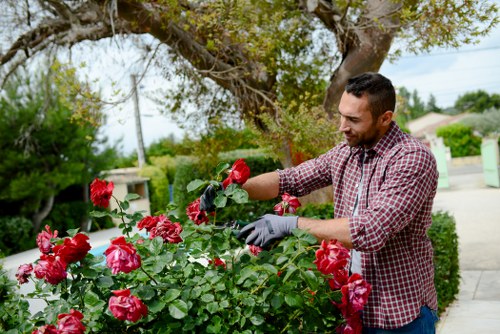
Soft landscaping in Swisscottage is about more than simply adding plants to a plot. It is the work that turns a hard or underused outdoor area into a welcoming space with structure, colour, seasonal interest, and practical function. In a busy part of north-west London like Swisscottage, outdoor areas often have to do a lot of work in a limited footprint. Courtyard gardens, front approaches, communal spaces, townhouse gardens, roof terraces, and commercial entrances all need planting and finishing that look good, cope with daily use, and suit the character of the property.
Whether you are improving a private garden, refreshing the shared grounds of a block of flats, or making a frontage more attractive for customers and visitors, soft landscaping gives you the chance to shape the space around how you actually live and work. A well-planned planting scheme can soften paving and fencing, improve privacy, create better flow, and make an outside area feel more welcoming throughout the year. For many local customers, the real value lies in having a space that feels finished, not just built.
Local conditions matter. Swisscottage includes a mix of mansion blocks, period homes, modern apartments, and commercial premises, each with different access issues, sun levels, and maintenance needs. A local team understands how to work around narrow entrances, basement gardens, shared pathways, limited parking, and busy residential streets. That practical knowledge helps the project run more smoothly and ensures the planting choices make sense for the setting, not just for a brochure picture.
What soft landscaping includes

Soft landscaping covers all the non-structural elements of an outdoor space. These are the living and natural features that bring softness, texture, and seasonal change. Depending on the size and style of your property, a soft landscaping service may include planting beds, turfing, soil improvement, shrubs, hedges, climbers, borders, mulching, seasonal planting, and the careful arrangement of pots and planters. It may also include practical adjustments to drainage, access routes around planting areas, and preparation work that helps plants establish well.
For many customers looking for soft landscaping in Swisscottage, the project is not about starting from scratch. It is often about making an existing space work better. Perhaps the lawn has struggled in shade, the borders look tired, the front garden lacks privacy, or the communal area feels bare and unwelcoming. Soft landscaping can solve these issues by combining design thinking with plant knowledge and local experience. In the right hands, it improves the appearance of the space without overwhelming it.
It is also worth understanding the difference between hard landscaping and soft landscaping. Hard landscaping is the structure: paths, walls, patios, steps, edging, and built features. Soft landscaping is the life and finish: the planting, soil, grass, and natural detail that make the area feel complete. Most good outdoor projects need both. Even the best paving can feel stark without planting, while a well-designed planting scheme depends on a solid base.
Typical soft landscaping elements
- Planting design and bed preparation
- Shrubs, perennials, ornamental grasses, and climbers
- New turf or lawn replacement
- Border shaping and re-edging
- Soil conditioning and mulch application
- Hedge planting and screening
- Container planting for terraces, patios, and entrances
- Seasonal colour for homes and businesses
Why local soft landscaping matters in Swisscottage
Swisscottage has a distinctive mix of urban density and residential greenery. That means planting choices need to be carefully matched to the real conditions of the site. Sun and shade can vary sharply between front and rear gardens, building shadows can reduce light, and exposed terraces may face wind. In communal areas and commercial settings, the planting also needs to withstand regular foot traffic, occasional disturbance, and a maintenance pattern that is realistic for the property.
A local team is better placed to work with these challenges. They understand the practical realities of getting materials in and out of buildings, working around school runs, managing deliveries on narrower roads, and planning projects where parking is not simple. In Swisscottage and nearby areas such as St John’s Wood, Belsize Park, Finchley Road, South Hampstead, and West Hampstead, access can be just as important as design. A soft landscaping team that knows the area can plan the job to reduce disruption and keep the work moving efficiently.
Soft landscaping in Swisscottage is also about property character. A traditional house near the conservation-style streets may suit more structured planting and classic borders, while a modern apartment terrace may need low-maintenance containers and a cleaner layout. A commercial frontage may need durable planting that still looks polished and inviting. Local knowledge helps choose plants and materials that suit the appearance of the property and the way people use the space.
Common local challenges we work around
- Limited parking and restricted access for tools and materials
- Basement or lower-ground gardens with reduced light
- Shared entrance routes and communal management requirements
- Wind exposure on terraces and roof spaces
- Spaces that need privacy without feeling enclosed
- Properties where low-maintenance planting is essential
Services for homes, flats, and businesses

Soft landscaping is suitable for a wide range of local customers. Homeowners often want a garden that feels easier to use and easier to maintain. Landlords and managing agents may need outdoor areas that look neat and welcoming for tenants or visitors. Businesses may want an entrance that reflects the professionalism of the brand and makes the property more attractive from the street. Each of these situations calls for a slightly different approach, but the same principles apply: careful planning, suitable planting, and thoughtful finishing.
For domestic customers, the focus is often on comfort, privacy, and year-round appeal. You may want soft planting to frame a patio, hide a boundary fence, or create a softer transition from the house to the garden. For commercial customers, the priority may be visual impact and consistency. That can mean smart planters, durable greenery, and tidy beds that stay presentable with manageable upkeep. In communal settings, the balance between appearance and maintenance is especially important because the space needs to serve several people while remaining easy to care for.
There is no one-size-fits-all solution. The planting in a compact courtyard in Swisscottage will be different from the planting in a larger family garden or a business entrance. That is why an initial site assessment is so useful. It allows the team to look at light levels, drainage, soil condition, existing features, and how the space is used. From there, the planting and finishing can be shaped to suit the space properly rather than forcing a generic design onto it.
Examples of suitable project types
- Front garden refreshes that improve kerb appeal
- Rear garden planting for more privacy and seasonal colour
- Communal courtyard softening for apartment blocks
- Terrace and balcony planting for compact urban spaces
- Commercial entrance planting for offices, clinics, and hospitality spaces
- Low-maintenance schemes for busy households and property managers
How the service works
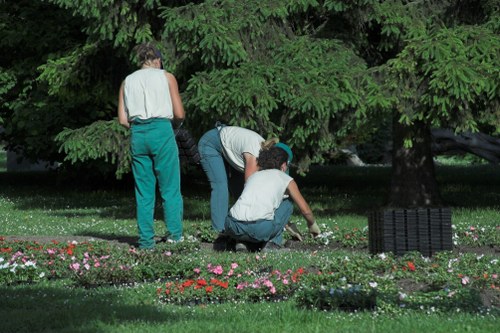
A good soft landscaping project should feel clear from the beginning. It usually starts with a conversation about what the space needs and how you want to use it. Some customers want a garden that feels more private and relaxed. Others want a smart, structured entrance that is easy to maintain. Others simply know that the current planting is not working and need a practical plan to improve it. Whatever the starting point, the process should be straightforward and tailored to the site.
After the initial discussion, the next stage is normally a visit to view the area. This helps assess the layout, access, soil condition, drainage, and existing planting. In Swisscottage, this stage is particularly important because properties can vary significantly from one street to the next. A narrow side return, shared front path, or upper-level terrace can all affect the way work is carried out. Once the site is understood, the team can suggest suitable planting options, soil improvements, and finishing details.
When the plan is agreed, the work can begin. This may involve clearing tired or damaged planting, improving the ground, bringing in fresh soil or mulch, and installing new plants, lawn, or edging. In many cases, the final stage also includes advice on aftercare, so the planting has the best chance of settling in well. If you are looking for soft landscaping in Swisscottage that is both attractive and practical, the process should always be handled with care and clear communication.
What a typical project may include
- Site visit and discussion of requirements
- Review of sun, shade, soil, and drainage conditions
- Removal of unwanted plants, debris, or tired turf
- Preparation of beds, borders, or lawn areas
- Supply and planting of suitable trees, shrubs, and flowers
- Mulching, edging, and finishing touches
- Advice on maintenance and watering
Planting ideas that work well in Swisscottage
Good planting should suit the climate, the light levels, and the amount of care the customer wants to take on. In urban north-west London, that often means choosing plants that can handle a mix of shade, reflective heat, wind, and occasional dry periods. It also means thinking about the visual effect from inside the property as well as from outside. A garden or frontage should look good from the window, the doorway, and the street.
Many local customers prefer planting that gives structure throughout the year rather than only looking good for a short season. Evergreen shrubs can provide a reliable backbone, while perennials bring colour and movement. Ornamental grasses can soften edges and add interest in winter. Climbers can make the most of vertical space in smaller gardens and courtyards. In more formal settings, neat hedging and symmetrical planting may suit the property better than a loose, informal look.
For properties with limited outdoor space, container planting can be especially effective. Large pots can create layers of greenery on terraces, balconies, and entrance areas without requiring a full garden border. They also allow flexibility, which is useful for rented homes, managed developments, and commercial spaces where the layout may need to change over time. The best results come from planting choices that respect both the space and the lifestyle of the people using it.
Popular planting approaches
- Low-maintenance schemes with resilient shrubs and evergreen structure
- Seasonal planting for colour through spring, summer, autumn, and winter
- Shade-tolerant planting for north-facing or enclosed gardens
- Drought-aware planting for sunny terraces and exposed spaces
- Privacy planting with hedges, screening shrubs, and climbers
Matching planting to the site
Good soft landscaping is never only about appearance. It should also be about survival and ongoing health. Plants placed in the wrong conditions often struggle, leading to extra maintenance and disappointing results. A thoughtful planting plan makes sure species are matched to available light, available space, and the amount of care the customer wants to give them.
What affects the price of soft landscaping
Customers often ask what determines the cost of soft landscaping work. The honest answer is that it depends on the size of the area, the scope of the work, the amount of preparation needed, and the materials chosen. A small planting refresh is very different from a full garden transformation involving new turf, border rebuilding, soil improvement, and substantial planting. Access can also affect the amount of time and labour required, especially in Swisscottage where parking and moving materials may take extra planning.
Other factors include whether existing plants need to be removed, whether the soil is compacted or poor quality, and whether drainage needs attention before planting can begin. The choice between mature planting and smaller stock can also influence the budget, as can the use of specialist planters or large containers. If the property is part of a managed block or commercial site, there may also be scheduling considerations to work around residents, staff, or customers.
It is helpful to request a quote after the site has been viewed, because that gives the clearest picture of what is involved. A proper quote should reflect the actual conditions of the property and the intended result, not just a rough guess. If you are comparing services, ask what is included so you can see whether the preparation, planting, finishing, and aftercare advice are part of the package. That makes it easier to choose the right team for your project.
Common pricing factors
- Size and complexity of the area
- Access for tools, plants, and materials
- Condition of the existing soil and planting
- Type and quantity of plants selected
- Need for turf removal, ground preparation, or waste clearance
- Whether the project is domestic, communal, or commercial
Why choose a local company in Swisscottage
Hiring a local team offers practical advantages that matter on real jobs. A company familiar with Swisscottage understands the kinds of properties in the area and the access issues that can come with them. This includes front gardens with limited loading space, rear gardens reached through narrow passages, and terrace projects where equipment may need to be carried carefully through communal areas. The work runs more smoothly when the team already knows what to expect.
Local knowledge also helps with plant selection. A planting scheme that thrives in a sheltered suburban plot may not perform well in a more exposed urban setting. Likewise, a design that works in a spacious garden may feel overwhelming in a compact courtyard. A local approach helps strike the right balance between style and practicality, so the result looks appropriate to the property and stays manageable over time.
For residents, landlords, and businesses alike, a nearby team can also be more responsive when planning visits, discussing changes, or arranging follow-up work. That makes it easier to keep the outdoor area looking cared for. When you want soft landscaping in Swisscottage, local experience is not just convenient; it is often the difference between a project that merely looks nice on paper and one that genuinely works in the space.
Benefits of using a local service
- Better understanding of access, parking, and delivery challenges
- Planting choices suited to local light and exposure conditions
- More practical scheduling around nearby homes and businesses
- Experience with varied property types, from flats to family homes
- Advice that reflects how local customers actually use their outdoor space
Preparing your space before work begins
Good preparation can make the project smoother and help everything get underway with less disruption. You do not need to do major work yourself, but there are a few simple things that help. If possible, clear personal items, furniture, planters, or children’s toys from the work area. If there are pets, it helps to plan where they will stay while the work is being carried out. For communal or commercial sites, make sure anyone responsible for access understands when the team will arrive and which areas need to remain available.
If you already know about drainage problems, shade issues, or areas where plants have struggled before, share that information early. It can be very useful when planning the new layout. The same applies if there are rules from a managing agent, freeholder, or building manager, or if certain hours are better for work to avoid disturbing neighbours, tenants, or customers. These details help keep the job efficient and avoid unnecessary delays.
Before the first visit, it is also useful to think about what you want from the space in the longer term. Do you want a garden that is easy to maintain with minimal effort? Are you looking for privacy? Do you want flowers through the seasons, or a cleaner evergreen look? Would the space be used for relaxing, entertaining, customer arrivals, or simple visual appeal? Clear priorities help shape a better result.
Preparation checklist
- Remove loose items and furniture from the work area
- Make access routes clear where possible
- Share known site issues such as shade or drainage concerns
- Check any building, landlord, or management requirements
- Think about maintenance levels you are comfortable with
Ongoing care after soft landscaping
The best planting projects continue to look good because they are cared for properly after installation. New plants often need watering while they establish, and lawns may require careful attention in the early weeks. Mulch may need topping up over time, and some borders may benefit from seasonal refreshing. The key is to create a planting scheme that fits the amount of care the space will realistically receive.
For busy households and commercial premises, a low-maintenance planting plan can be a smart choice. That does not mean the area should be bare or uninteresting. It means choosing plants and finishes that remain attractive without demanding constant attention. In many cases, the right combination of evergreen structure, hardy perennials, and well-prepared soil can give a polished look with manageable upkeep.
If you are working with a landlord, managing agent, or business schedule, it may also be helpful to plan periodic maintenance visits alongside the initial soft landscaping. That keeps the space tidy and helps protect the investment you have made in the planting. Regular care is especially useful in shared or visible areas where the first impression matters.
Aftercare tips
- Water new planting consistently until established
- Check for wind exposure on terraces and raised areas
- Remove weeds early so borders stay tidy
- Refresh mulch when needed to support moisture retention
- Trim and shape hedges and shrubs at the right time of year
Areas covered around Swisscottage
Soft landscaping projects in this part of London often extend beyond Swisscottage itself. Nearby areas frequently include South Hampstead, Belsize Park, St John’s Wood, Finchley Road, West Hampstead, Hampstead, Primrose Hill, and parts of Camden. Properties in these areas share similar challenges: compact gardens, shared access, varied light conditions, and the need for work that is tidy and considerate.
If your property is close to a busy road, in a residential block, or part of a mixed-use building, a local team can plan around the setting more effectively. That is especially important where the outdoor area is visible from the street or used by many people. Good soft landscaping improves not only the look of the space, but also the way people feel when they arrive, pass through, or spend time there.
For customers in and around Swisscottage who want a more attractive and practical outdoor area, local service means fewer complications and better coordination. Whether the job is small or substantial, the aim is the same: a space that feels considered, healthy, and suited to the property.
Frequently requested project locations
- Private front and rear gardens
- Communal courtyard spaces
- Apartment terraces and balconies
- Commercial entrances and frontage beds
- Courtyard planting for office and mixed-use buildings
Frequently asked questions
Do I need a full redesign, or can you improve what is already there?
Many projects are improvements rather than complete redesigns. Existing borders, lawns, and containers can often be reshaped, refreshed, and replanted to create a much better result without starting from zero. A site visit helps determine what can stay and what should be replaced.
Can soft landscaping work in a small Swisscottage garden?
Yes. Small gardens, terraces, and courtyards often benefit the most from thoughtful soft landscaping because every square metre needs to work hard. The right planting can make compact spaces feel calmer, greener, and more usable.
What if my garden is very shady?
Shady spaces can still look excellent with the right plant selection and soil preparation. Shade-tolerant planting is often a strong option for lower-ground gardens, north-facing spaces, and areas affected by nearby buildings.
Is soft landscaping suitable for commercial properties?
Absolutely. Offices, shops, hospitality venues, and managed buildings often benefit from well-planned planting that improves the entrance and creates a more professional appearance. The planting can be tailored for durability and low maintenance.
How much maintenance will the new planting need?
That depends on the scheme you choose. Some customers want a garden that can be managed with occasional care, while others are happy to do more regular upkeep. A good plan should match your preferred maintenance level from the start.
Can you help if access is difficult?
Yes, and in Swisscottage this is often part of the job. Narrow side returns, shared walkways, basement access, and limited parking are all common factors that can be planned around carefully.
What to look for when choosing a soft landscaping team
Choosing the right team is about more than finding someone who can put plants in the ground. You want people who understand the site, communicate clearly, and make practical suggestions based on real conditions. They should be able to explain what works best for the space, what will help the plants establish, and how the project will be carried out with the least disruption.
It also helps if the team takes time to understand your goals. Some customers want a tidy and restrained look, while others want colour, texture, and seasonal variety. Some want a design that suits a period home, while others need a smart finish for a modern apartment or commercial property. The right service should adapt to those needs, not push the same approach every time.
When you are ready to improve your outdoor area, contact us today to discuss your plans for soft landscaping in Swisscottage. Request a free quote and see how a well-planned planting scheme can make your property feel more complete, more attractive, and easier to enjoy.
In summary, the best local soft landscaping service should offer
- Practical understanding of Swisscottage properties
- Planting suitable for the site conditions
- Clear communication and careful preparation
- Solutions for homes, flats, and businesses
- A result that looks good and works in everyday use
Book your service now if you are ready to improve your garden, terrace, frontage, or communal outdoor space. A thoughtful soft landscaping project can make a real difference to how the property looks and feels, both now and over the seasons ahead.